Organizing Household Expense Categories

Discover systematic approaches to structuring domestic records and maintaining logical division across various regular billing cycles.
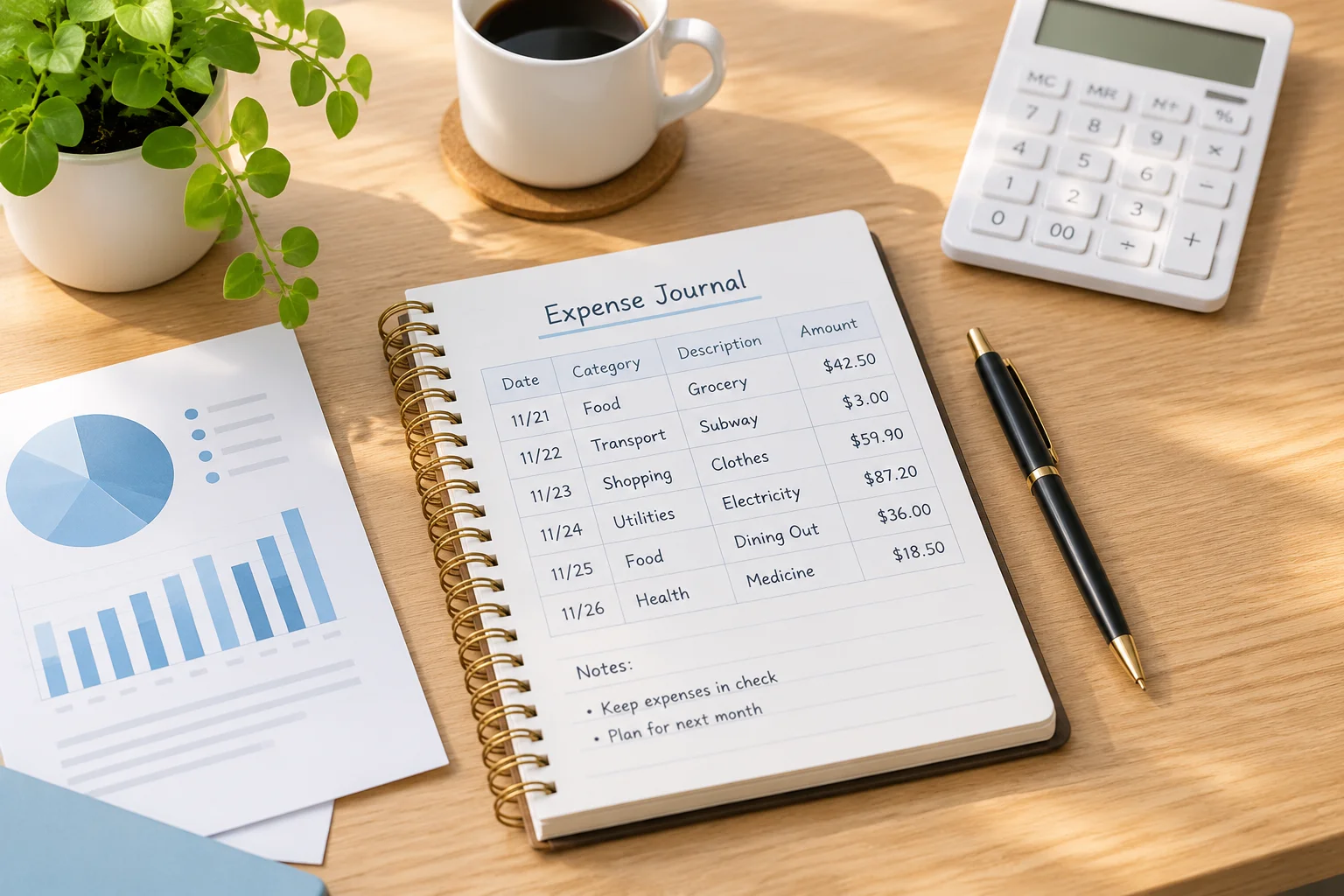
Explore educational articles, sample expense categories, monthly record structures, and illustrative budget review methods.
Standardize domestic recordkeeping through structured groupings. Organizing expenses into clear categories clarifies baseline necessities, seasonal shifts, and discretionary outlays without ambiguity.
Core shelter costs including residential leases, community association dues, routine domestic upkeep, and primary municipal service billings.
Consumables needed for weekly family sustenance, encompassing supermarket groceries, pantry staples, household detergents, and toiletries.
Daily commuting and vehicle operational expenses, such as public transit passes, scheduled automotive maintenance, and motor fuel.
Scheduled personal healthcare considerations, co-payments, preventative medical appointments, pharmacy orders, and family dental visits.
Optional personal spending focused on dining out, cultural outings, educational paperbacks, weekend pastimes, and hobby materials.
Non-monthly expenditures including annual domestic insurance policies, seasonal home preparation, and minor unexpected appliance fixes.
A systematic calendar blueprint for logging household transactions. Record expenditures with chronological discipline, review weekly category tallies, and finalize variances before opening the next monthly ledger.
Capture scheduled housing expenses, utility bills, and basic grocery orders. Register baseline expenditures immediately to establish the uncommitted balance for the remaining cycle.
Audit variable personal disbursements, transport fares, and household consumables. Compare logged transactions with planned limits to arrest unmonitored category spillover.
Compile trailing receipts, balance emergency reserves against unanticipated maintenance, and calculate net differences between planned caps and actual spending sums.
Filter specimen entries to observe how daily journal fields correspond to monthly category totals.
Log every transaction on the day it occurs. Deferring receipts to week's end generates data omission rates exceeding 28%.
Educational timeline demonstrating how fixed household disbursements distribute across a 30-day ledger cycle, helping prevent mid-month cash crunches through organized date tracking.
Primary living space allocation recorded promptly at the month opening to establish predictable cash flow for remaining operational needs.
Aggregated over 6 regular monthly journal checkpoints.
Explore our systematic methodology for categorizing regular commitments and building robust household reserves.
Browse Recurring Expenses LibraryAn illustrative review of a standard household monthly plan contrasted against documented spending records, highlighting categorical variance without speculative estimates.
Standardized 30-day projection
Documented receipts log
+0.57% net divergence
Track planned limits side by side with final logged journal entries.
Notice how individual variations offset each other across a standard monthly period. A $60 grocery variance was cushioned by minor savings across utility adjustments, transport tickets, and leisurely recreation. Systematically tracking every receipt prevents premature adjustments to baseline allotments.
Explore structured setups within Moneydance to categorize daily expenditures, establish clear monthly boundaries, and contrast recorded outflows with your planned figures.
In Moneydance, grouping spending into parent and sub-categories keeps ledgers clean. Rather than creating flat lists of grocery stores or utility providers, establish master groups to aggregate your household numbers easily.
The Moneydance budget manager provides a visual comparison between planned limits and actual recorded transactions. Color bars display progress throughout each month so you spot overages early.
Automating known obligations safeguards against forgotten dues. Moneydance links reminder schedules straight to your register, allowing previewing of future balances up to a full year ahead.
Regular review transforms everyday transaction records into long-term behavioral clarity. Use built-in charts to filter out one-time spikes and understand true cost-of-living baselines.
Ready to configure your personal categories and monitor your monthly numbers with precision?
Read Moneydance Budget GuideA structured methodology for configuring household tracking journals and digital spreadsheets. Balance your monthly outflow, monitor real variances, and maintain dependable spending records.
Distinguish between steady recurring obligations and fluctuating variable purchases before the monthly cycle starts. Grouping expenses prevents unexpected shortfalls.
Log your planned financial target alongside verified actual expenditures. Daily or weekly logging prevents receipt backlog and keeps record keeping painless.
Reconcile positive and negative deviations at the close of every month. Transfer remaining reserve funds to seasonal buffers or adjust future baselines accordingly.

Whether using a paper notebook or personal spreadsheet software, every functional monthly workbook requires five core data columns:
| Category & Item | Classification | Planned Target | Actual Outflow | Variance | Audit Status |
|---|---|---|---|---|---|
|
Residential Rent & Maintenance
Fixed monthly dwelling commitment
|
Housing & Utilities | $1,350.00 | $1,350.00 | $0.00 | Balanced |
|
Municipal Electricity & Water
Metered utility billings
|
Housing & Utilities | $190.00 | $175.00 | -$15.00 | Under Target |
|
Supermarket & Fresh Produce
Weekly household nutrition purchases
|
Food & Essentials | $580.00 | $610.00 | +$30.00 | Over Target |
|
Pantry Staples & Cleaning Supplies
Batch home goods replenishment
|
Food & Essentials | $95.00 | $82.00 | -$13.00 | Under Target |
|
Subway & Bus Monthly Pass
Routine public transportation pass
|
Transit & Auto | $130.00 | $125.00 | -$5.00 | Under Target |
|
Automobile Fuel & Routine Service
Commuter mileage & maintenance
|
Transit & Auto | $180.00 | $195.00 | +$15.00 | Over Target |
|
Cafes & Casual Dining Out
Weekend meals and informal meetups
|
Discretionary | $210.00 | $185.00 | -$25.00 | Under Target |
|
Print Periodicals & Media Subs
Educational journals and reading
|
Discretionary | $85.00 | $75.00 | -$10.00 | Under Target |
Access our full repository of printable PDF ledger sheets, customizable spreadsheet templates, and step-by-step setup guides configured for real household finances.
Explore tested methods for cataloging family expenditures, organizing monthly ledgers, and evaluating planned allocations against actual outlays.
Discover systematic approaches to structuring domestic records and maintaining logical division across various regular billing cycles.
Learn how to identify non-negotiable monthly obligations versus adjustable discretionary living costs to stabilize household balances.
A clear step-by-step workflow for calculating variance between projected allocations and actual end-of-month financial receipts.
MonthMap Journal is an independent research publication exploring manual record-keeping methods, domestic category hierarchies, and monthly spending ledgers. All materials are produced strictly for study, organizational comparison, and personal documentation frameworks.
We share non-automated journal layouts, categorized expense lists, and retrospective review models. Our objective is to teach clear recording routines so households can evaluate past expenditures with precision.
We are not licensed fiduciaries, certified public accountants, or legal counselors. The journal does not provide customized financial plans, personalized spending directives, or commercial fiscal management.
Figures and case examples are presented for illustrative review only. Readers remain solely responsible for verifying local fiscal regulations, tax obligations, and individual budgeting decisions.
Review our standardized documentation guidelines and comprehensive legal boundaries before adapting journal worksheets for your private household balance sheets.
Without a structured monthly journal, household resources drift untracked and hours are spent reconstructing missing figures. Explore real-world scenarios comparing unorganized record-keeping with systematic tracking.
Automatic monthly memberships, app passes, and dual utility options continue undetected on balance sheets without scheduled calendar markers.
A master calendar entry pinpoints renewal dates 10 days in advance, keeping baseline records fully accountable.
Tracking only raw bank totals masks category erosion. Supermarket runs and spontaneous home supplies consume reserves earmarked for fixed utilities.
Weekly ledger reconciliations keep category buckets separated, ensuring planned allocations match actual receipts.
Unorganized paper slips and unfiled electronic payments force an exhaustive annual search to establish annual household trends and past category summaries.
A standardized monthly ledger workbook consolidates all statements into structured monthly summary views.
A reliable household journal removes guessing, protects shared reserves, and saves dozens of hours every quarter.
Structured frameworks designed to help you organize monthly household records, track planned targets, and maintain clear spending transparency without complex setups.
Fundamental methodology for single-household category tracking.
Comprehensive multi-category system with variance analysis tables.
Advanced long-term recording framework with twelve-month reviews.
Connect directly with our editorial staff to review your household recording workflow, categorize ongoing expenses, and calibrate planned spending figures. Below is our direct 3-step guidance pathway once you send a message.
Click the Apply Now button below to launch a direct chat with our desk. Outline your household expense tracking goals or list specific category allocation questions.
An editorial reviewer examines your monthly record intervals and variance methods, organizing practical suggestions for your family ledger structure.
Receive tailored MonthMap printable worksheets, recurring entry calendars, and structured category definitions designed for ongoing monthly comparisons.
Click the button below to send us a message directly on WhatsApp. We are ready to assist with your category layout and monthly journal review.
Click the button to send us a message. No registration forms or waiting queues required.
Detailed household ledgers fail when recording routines create friction. Review the four major operational pitfalls that consume hours, deplete mental energy, and disrupt accurate financial records.
Creating dozens of micro-categories—such as separating corner-store teas from supermarket groceries—generates decision paralysis at every receipt entry, leading to backlog fatigue.
Consolidate into 6–8 macro parent categories with standardized tags for non-essential treats.
Examine Category ArchitecturePostponing bookkeeping until the 30th day turns simple records into a stressful forensic investigation, where missing slips and forgotten details corrupt monthly accuracy.
Institute a weekly 10-minute Sunday ledger check to process receipts while purchase contexts are fresh.
Establish Weekly CadenceFocusing only on predictable weekly supermarket visits while ignoring bi-annual vehicle maintenance, yearly software renewals, and holiday gifts produces artificial budget shocks.
Structure an annualized sinking reserve line item divided by 12 to absorb non-monthly disbursements.
Audit Recurring OutlaysWasting forty minutes hunting down an unexplained eighty-cent rounding gap between recorded slips and account balances causes frustration without offering any practical insight.
Establish a permissible monthly discrepancy buffer ($10–$25) to reconcile fractional rounding differences instantly.
View Allocation Examples
Authentic feedback from readers who track daily outlays, categorize recurring expenses, and run structured monthly comparisons to maintain spending clarity.
Before adopting the MonthMap category breakdown, categorizing grocery slips and utility bills took an entire exhausting weekend. Establishing a fixed versus variable division reduced our monthly ledger reconciliation to just 20 minutes each Sunday.

Recording minor daily purchases in a structured pocket journal eliminated unexplained cash leaks. Comparing our planned spending limits against real store receipts revealed exactly where small miscellaneous spending occurred.

Our household previously struggled with unpredictable seasonal maintenance bills. Building an irregular spending reserve worksheet smoothed our monthly records and brought planned estimates in line with real numbers.