Cadence Identification
Tag entries as weekly, bi-weekly, monthly, or quarterly so future calendar sheets reflect the proper interval automatically.

Structuring scheduled outflows on a dated grid prevents mid-month surprises and brings peace of mind to household paperwork.
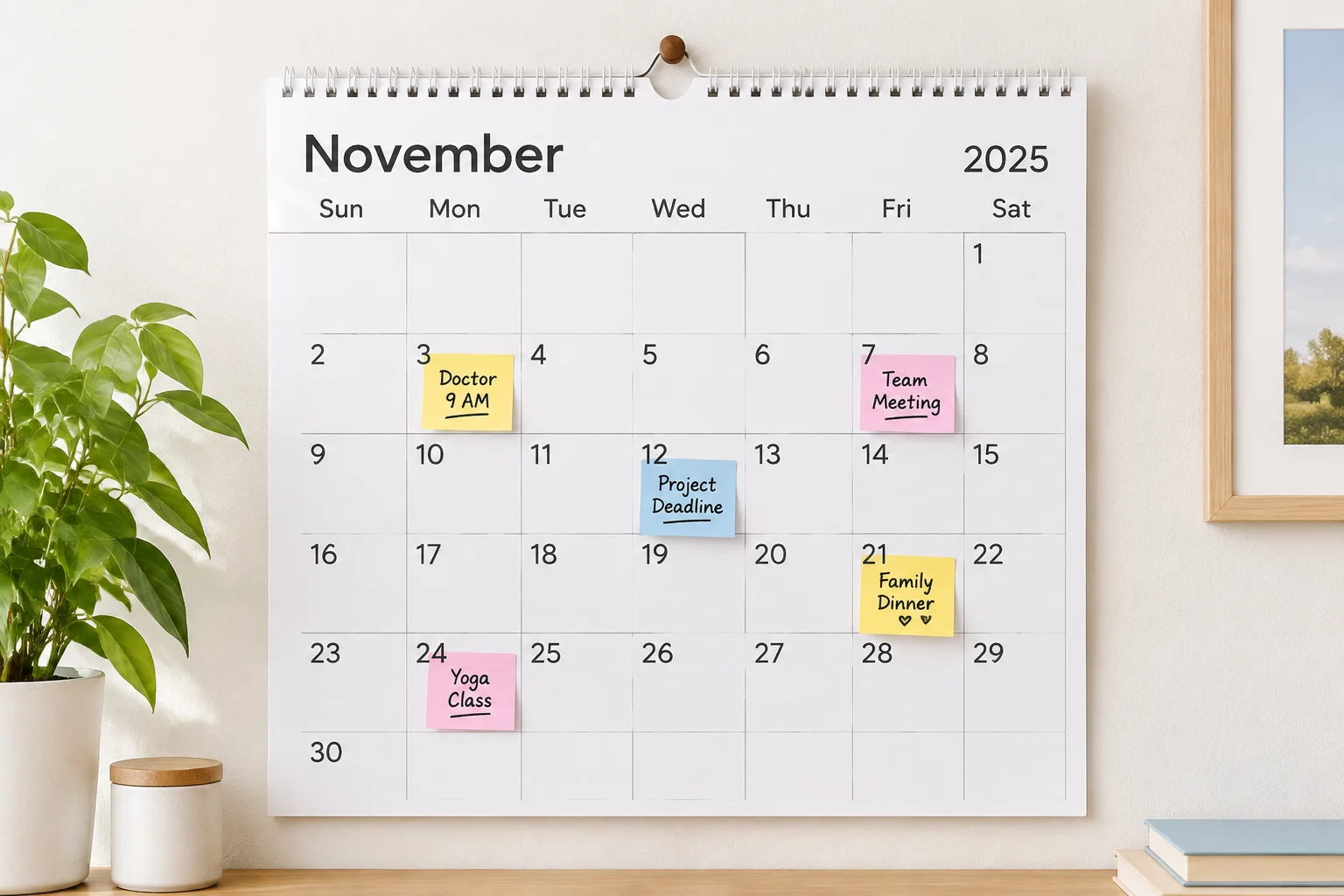
A systematic approach to recurring transactions requires six distinct documentation steps to maintain precision across weeks and months.
Tag entries as weekly, bi-weekly, monthly, or quarterly so future calendar sheets reflect the proper interval automatically.
Assign exact calendar days rather than vague monthly estimates to recognize when payments cluster around particular weeks.
Note necessary account balances two days before scheduled withdrawals to accommodate banking settlement pauses.
Update meter-based bills such as seasonal electricity or water utilities as soon as statements become available.
Account for bank holidays and weekend roll-forwards that push scheduled debits forward into earlier business days.
Mark each completed entry with a distinct checkmark once clearing receipts match physical ledger totals.
Most municipal utilities and residential contracts default to the first or fifteenth day of the calendar, forming artificial settlement spikes.
Log transactions first as projected events on the physical calendar, then confirm them as cleared records inside your primary ledger.
Services billed annually cause sudden ledger strain unless divided mentally into twelve monthly reserve allocations.
Automated bank direct debits still demand manual ledger oversight to ensure billing vendors have not quietly modified standard service rates.
Managing ongoing household commitments requires a dependable bridge between chronological calendars and categorized budget workbooks. Many families record recurring expenses only after money leaves checking accounts, turning bookkeeping into a reactive chore. By mapping expected transactions onto an open wall calendar or dedicated digital planner, upcoming settlement dates become visible well in advance. This foresight allows managers to align household outflows with predictable deposit timelines.
When entries sit in chronological order, transaction clusters reveal themselves immediately. Instead of wondering why bank balances drop sharply during the second week of a month, the journal visualizer pinpoints that housing fees, trash pickup, and internet dues all clear between the eighth and twelfth days. Preparing for these dense intervals stabilizes household cash flow and avoids frantic adjustments later on.
Not every recurring transaction operates on an identical 30-day loop. Quarterly water fees, biannual vehicle registrations, and annual club memberships often slip through mental registers until an invoice appears in the mailbox. Setting up dedicated calendar flags for irregular disbursements creates an early warning system. Write down the anticipated figure six weeks prior to the expected billing date, giving the household ledger time to accumulate the required allocation without straining daily pantry budgets.
In addition, cross-referencing completed bank statements against written calendar notes catches administrative errors before they compound. If a subscription vendor processes a fee twice, or if a utility company applies an estimated reading that exceeds normal ranges, immediate visual confirmation in the calendar ledger makes resolving discrepancies straightforward. Consistent maintenance transforms periodic chaos into steady, repeatable confidence.
Pass this article to family partners or fellow household record keepers looking to establish stable transaction schedules.
Record the invoice due date on your planning calendar as a reminder, then mark the official cleared date inside your ledger summary when funds actually leave the account.
Use a conservative running average based on the previous three months for calendar planning, then adjust to the exact billing amount as soon as statement notifications arrive.
Divide the annual cost by twelve, place that fractional sum into a separate ledger category each month, and pin the target date on the annual calendar sheet to avoid surprises.