Seasonal Maintenance
Heating system checkups, gutter clearing, and seasonal garden tasks that recur only once or twice every calendar year.
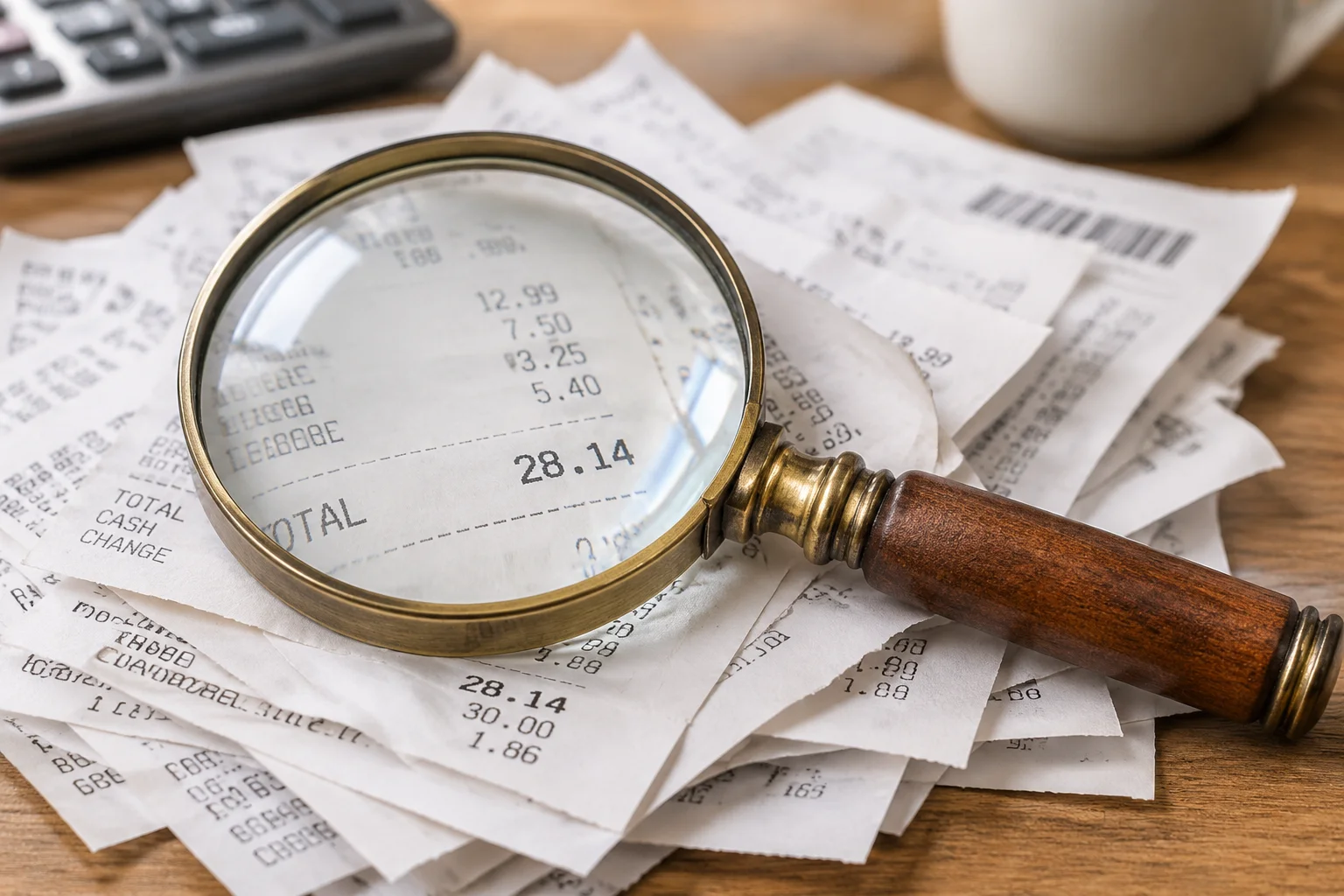
Practical strategies for identifying sporadic costs, smoothing non-routine disbursements, and maintaining ledger balance across fluctuating months.
Unplanned variations rarely stem from pure accidents; they usually arise from scheduled yet non-monthly household demands.
Heating system checkups, gutter clearing, and seasonal garden tasks that recur only once or twice every calendar year.
Biennial inspections, tire changeovers, emissions testing, and municipal license renewals requiring periodic lump sums.
Professional licenses, recurring digital software tools, and domain renewals billed on twelve-month cycles.
Routine dental cleanings, prescription eyewear replacements, and wellness examinations falling outside regular monthly schedules.
Family birthdays, anniversaries, and holiday gatherings that cluster together in specific quarters of the annual cycle.
Replacing small appliances, repairing plumbing fixtures, or fixing hardware wear-and-tear before major structural issues arise.
Review past transaction statements covering the previous twelve months to capture every transaction that occurred fewer than ten times a year.
Sum the full annual amount of sporadic disbursements and divide the total by twelve to compute your baseline monthly reserve figure.
Create a distinct tracking bucket in your journal so money set aside for periodic expenses remains untouched by daily operational spending.
Verify each month whether outgoing non-routine bills match your forecasts, adjusting the monthly set-aside when prices shift.
Households often find their balanced budgets unraveling not through everyday grocery shopping, but because of infrequent and unpredictable expenditures. When car maintenance or an annual school fee arrives in October, a monthly budget designed strictly around predictable bills experiences immediate strain. Tracking irregular expenses transforms these perceived emergencies into scheduled line items.
The key to mastering non-routine spending lies in retrospective auditing. By examining twelve continuous months of account records, spending patterns that seem random in isolation reveal distinct rhythms. School enrollments recur every late summer, heating inspections align with early autumn, and insurance policies mature at fixed dates. Recognizing these recurring patterns removes ambiguity from personal ledger management.
Rather than absorbing an expensive annual bill entirely during its active billing month, financial ledgers benefit from smoothing allocations. Calculating the annualized sum of all sporadic categories and setting aside one-twelfth of that amount each month spreads the financial impact evenly across the year. The accumulated capital sits in a dedicated sub-ledger, awaiting the payment cycle.
When a sporadic bill matures, the ledger draws funds directly from the designated reserve account, preserving the monthly operating surplus. Regularly reviewing this reserve balance at month-end guarantees that inflation or shifting fee structures are factored into updated reserve targets before deficits occur.
Share this comprehensive guide on managing irregular monthly expenditures with colleagues, family members, or community study groups.
Irregular expenses are anticipated events that occur at irregular intervals, such as annual vehicle tax or bi-monthly dental visits. In contrast, emergencies represent unforeseen disruptions like sudden plumbing leaks or medical accidents that cannot be planned on a calendar.
Total all sporadic bills paid over the preceding twelve months, add a ten percent buffer for potential fee increases, and divide by twelve. Allocate this resulting sum to your irregular reserve bucket every single month.
A quarterly audit of your irregular expense journal is ideal. This frequency lets you catch subscription price adjustments and utility tariff changes early enough to recalibrate monthly allocations without disrupting standard categories.